
Our Surroundings

Montenegro

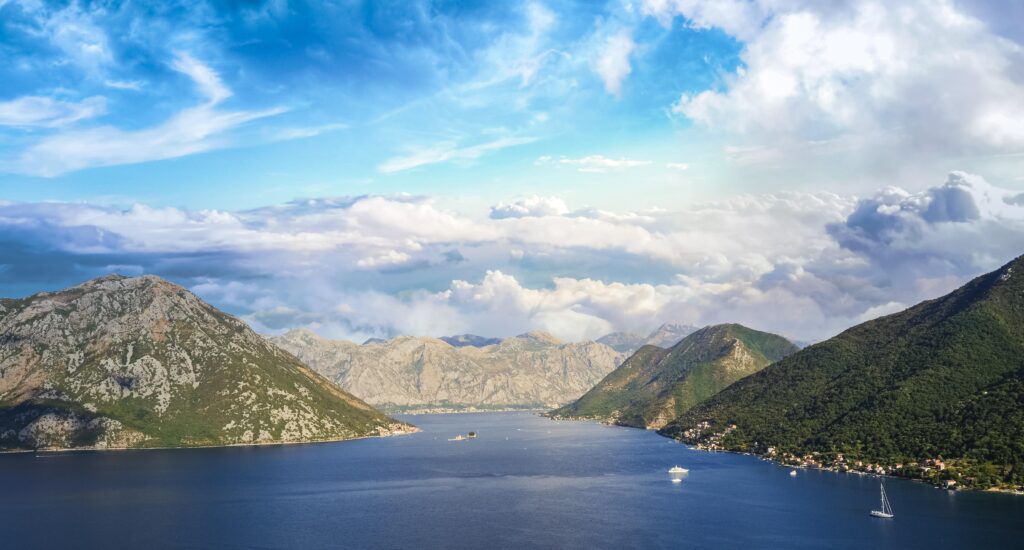
A country condensed into just 14,000 km², is rich in picturesque landscapes – mountain peaks embracing the sea, untouched forests and villages, breathtaking canyons, rivers, and lakes, vineyards producing exceptional wines, and a wealth of cultural heritage. All of this unmistakably proves that the greatest national treasures are found in nature itself.

The name Montenegro literally means “Black Mountain,” derived from the rugged, dark forest massifs that make up the majority of the country’s landscape.

Sveti Stefan and Miločer

Two exceptional landmarks of Montenegrin tourism are especially significant for history.

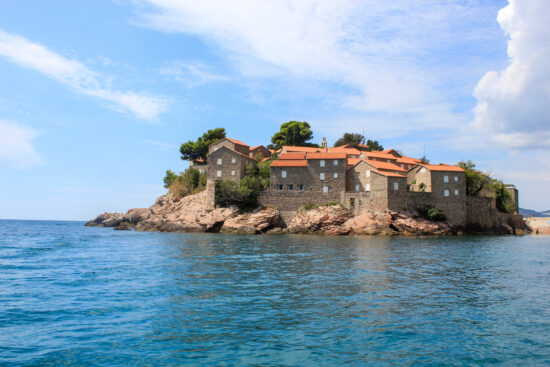
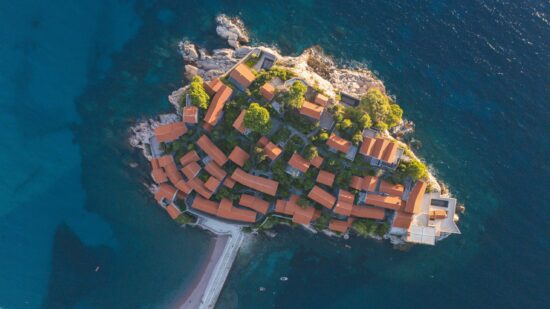
The natural island became a fishermen’s village in the 15th century and served exclusively its residents as protection from attacks by the Ottoman Empire and sea pirates. Over time, the synergy between people and nature transformed this island into a peninsula, which today has been turned into a luxury hotel complex.

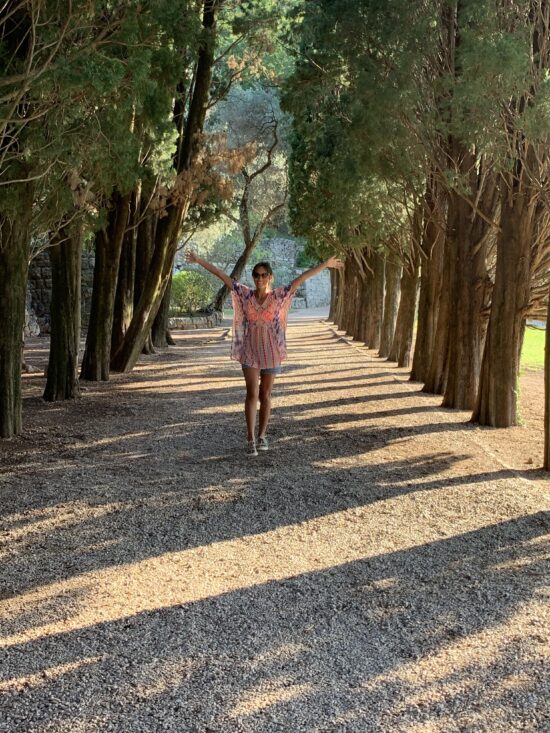
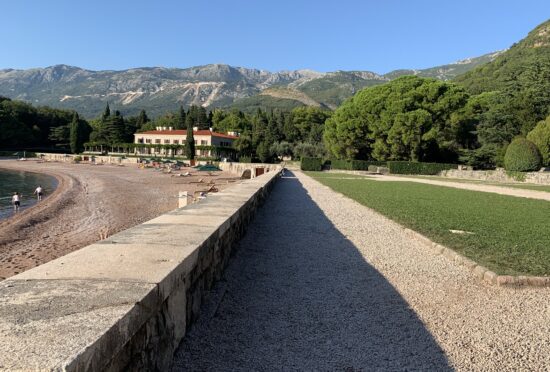
Once a royal retreat for rest and privacy, the Miločer summer residence consists of a stone castle that dominates the area. The King’s Beach and Queen’s Beach are connected to Sveti Stefan by a sandy path that runs through a pine forest.

The authorities strive to preserve the peace once enjoyed by royalty, as the beach has not been heavily commercialized and you will not find the characteristics of mass tourism there. If you wish to escape the crowds of Budva, this botanical garden is the perfect place for you.
 
 
beach-sunny

Kamenovo Beach

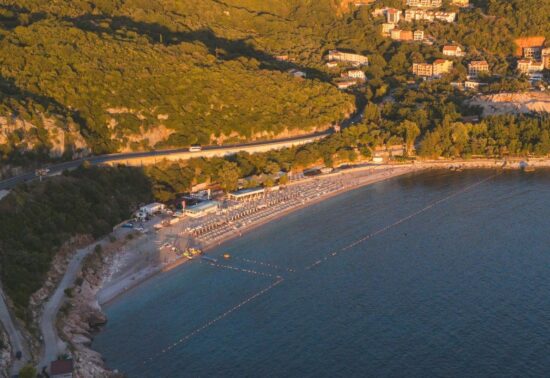
Kamenovo Beach stands out especially for its late sunsets and is widely known for its well-organized beach bars. During the summer season, they often host daytime and nighttime DJ parties, creating a unique atmosphere along the entire coastline.

Njegoš Mausoleum

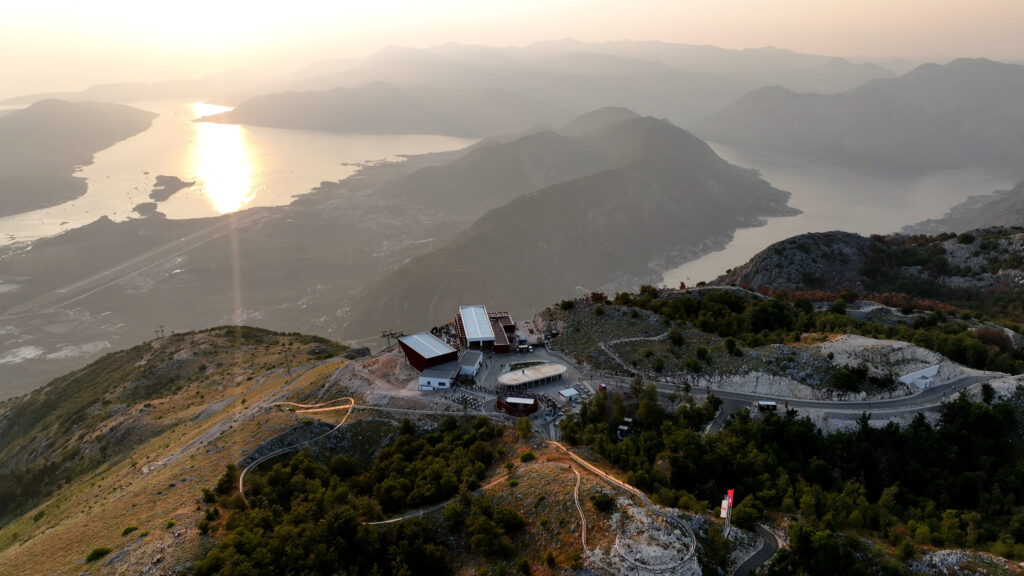
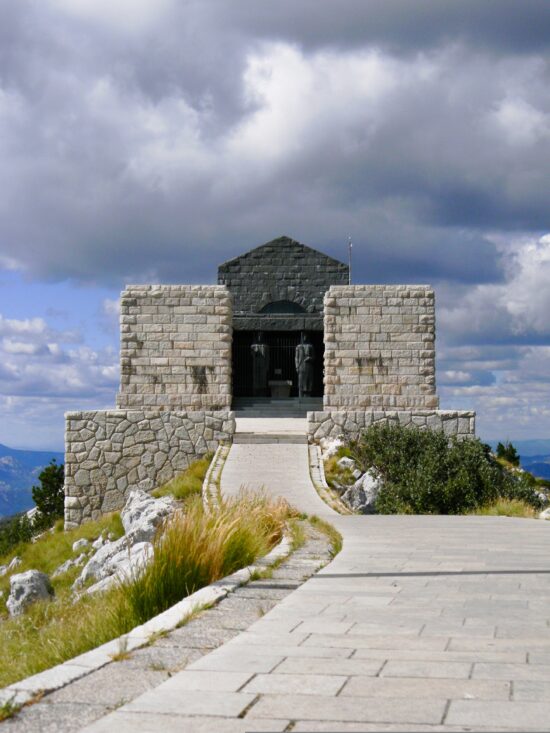
The mausoleum is located at the very top of the Lovćen National Park, on the mountain of the same name, and represents the resting place of the father of Montenegrin poetry, ruler and bishop Petar II Petrović Njegoš.

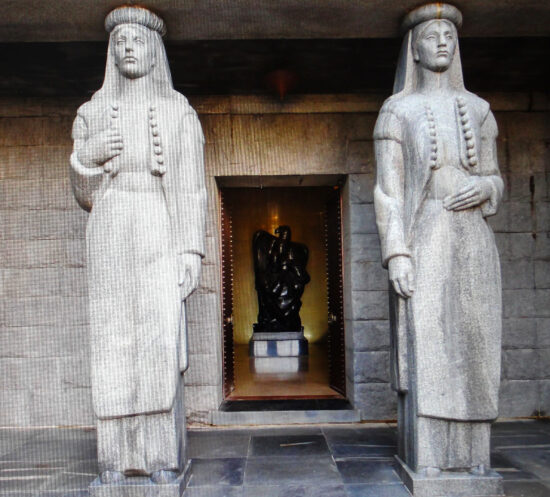
Graceful female statues at the entrance represent the guardians of this magnificent structure. According to local belief, they symbolize Njegoš’s mother and sister – the protectors of Montenegrin tradition and the two most important women in his life.

The interior of the monument features a strikingly carved figure of Njegoš with an eagle above his head and a book in his hand, while the vault of the chapel is made of 200,000 gilded tiles. The marble sarcophagus containing the bishop’s remains is located in the crypt.

To reach this pillar of Montenegrin identity, you must climb 461 steps, but the effort is certainly worth it.


Mogren

Ostrog

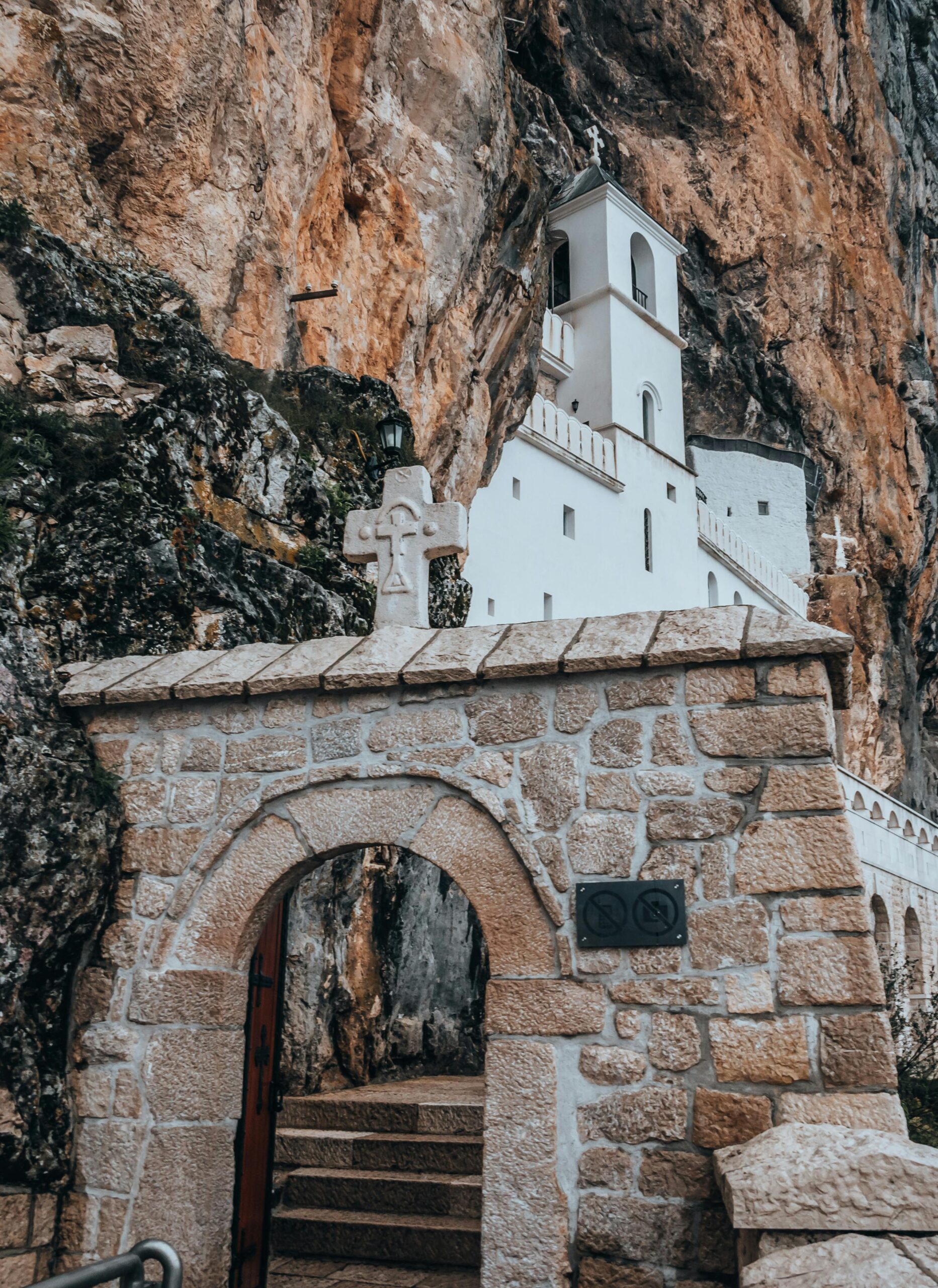
A Christian Orthodox temple of exceptional architecture that leaves no one indifferent. This impressive pilgrimage site for Orthodox believers is built into the rock, on a mountain edge. Despite the doubts of many, in the 17th century, Saint Vasilije of Ostrog decided to build this church at the very spot where, after prayer, God illuminated the place for him one night. Since its foundation, the sanctuary has miraculously withstood adversities. This spiritual site is widely known not only for visits by people of other faiths, but also for stories of incredible healings of the blind and immobile, assistance to the infertile, and the “Gate of Love,” which is believed that if you pass through it holding hands with your partner, you will remain together forever.

Skadar Lake

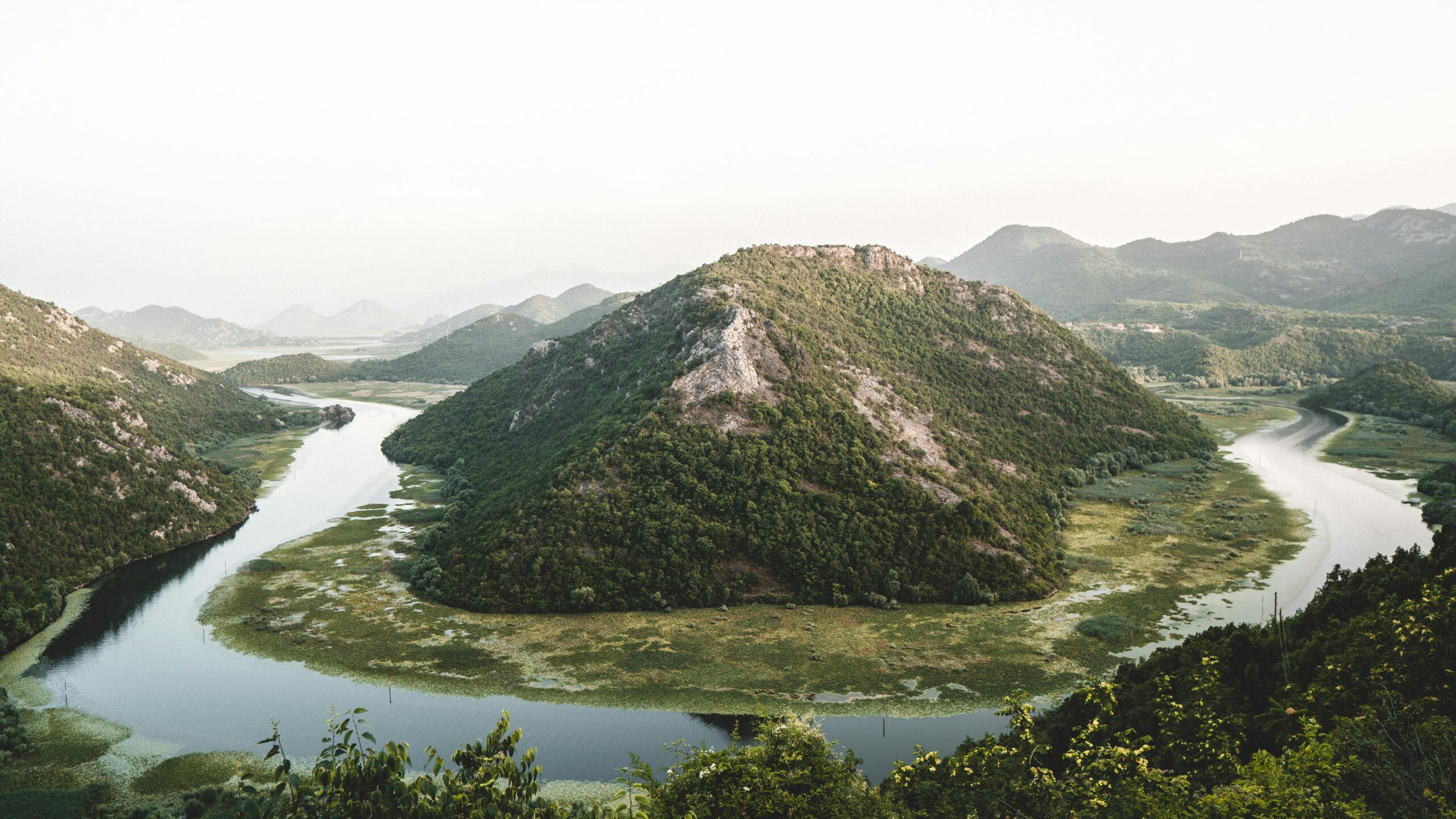
The largest lake in the Balkans, Skadar Lake is part of a national park and boasts an exceptionally rich variety of animal and plant species. Pelicans, a rare bird worldwide, are among the most commonly seen on the lake. Some parts of the lake lie below sea level, and its shores are adorned with the Lesendro fortress, known locally as the “key of the lake,” as well as a small island famously called the Montenegrin Alcatraz—a prison where dangerous offenders were guarded by non-swimming wardens, without boats, to prevent escape from the island. According to legend, this vital reservoir was formed when the Bojana River overflowed during a fierce storm, flooding the plain. Another legend says the lake originated from the tears of a weeping fairy, whom God punished by blinding, at the end of the last Ice Age. Lake excursions can be started by boat from Virpazar, and swimming in the lake is allowed.

Jaz

Cetinje Monastery

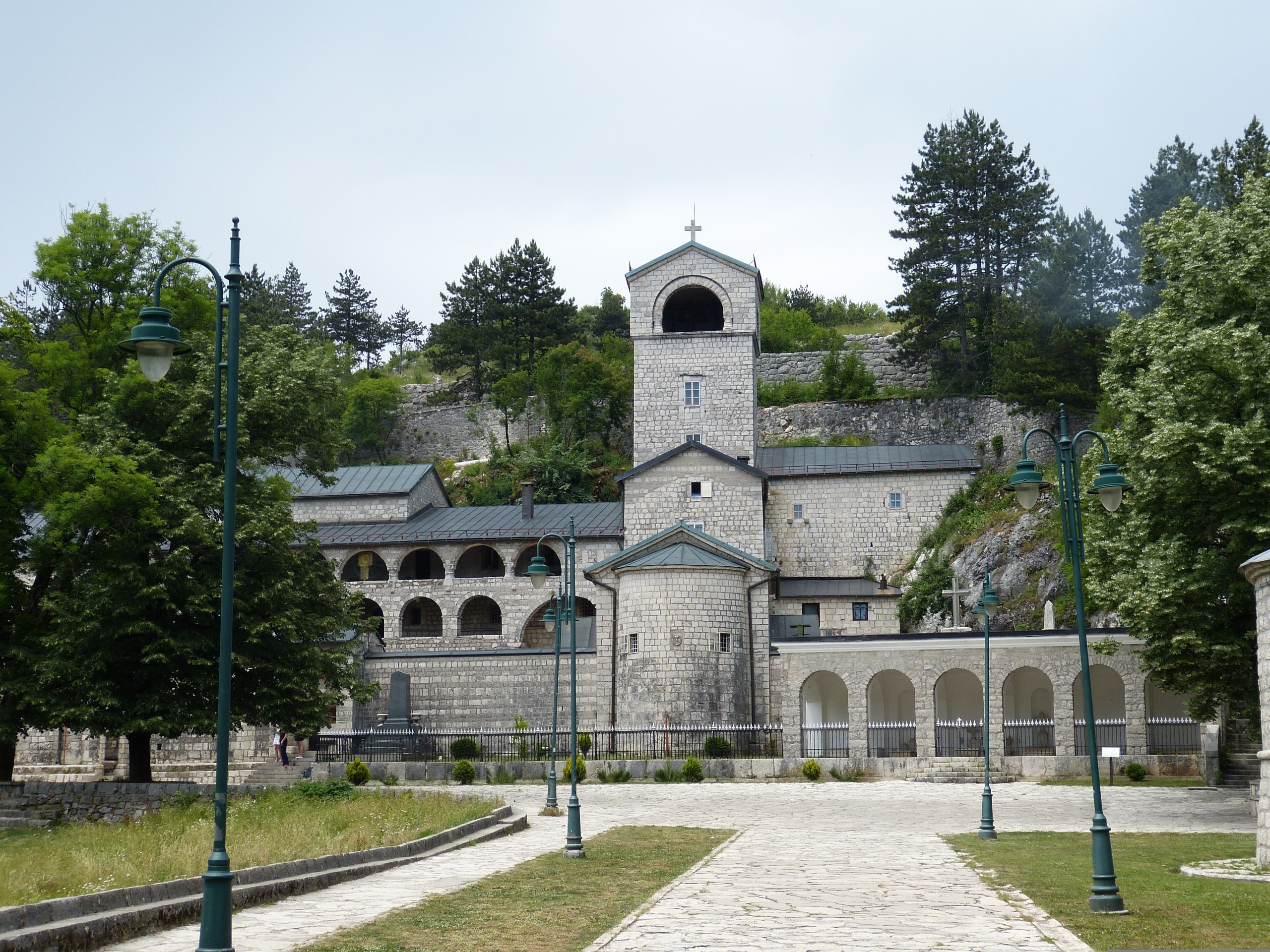
Cetinje Monastery and the National Museum of Montenegro are places that safeguard the most significant historical and religious treasures of the country. Within this complex, visitors can explore the King Nikola Museum, the Njegoš Museum, and the Art Museum, as well as view a remarkable collection of priceless exhibits. Alongside the relics of Saint Peter of Cetinje and the crown of Stefan Dečanski, particular prominence is given to three exceptionally well-preserved Christian relics whose origins date back to Antiquity. The Right Hand of Saint John the Baptist, with which Jesus Christ was baptized, and a fragment of the Holy Cross - part of the cross on which Christ was crucified - are kept in the Cetinje Monastery, while the icon of the Virgin Mary Filermosa is housed in the National Museum, within the Blue Chapel. Over the course of centuries, these sacred relics traveled a long and remarkable path to Cetinje, passing through Jerusalem and Constantinople, via Malta and Imperial Russia, before reaching Montenegro. The mystical destiny of the icon of the Virgin Mary Filermosa continues to intrigue researchers around the world. Its immeasurable value and profound spiritual significance are further evidenced by the generous offers made by the Knights of Malta in their attempts to reclaim the centuries-old protector. Nevertheless, this sacred icon - painted by Saint Apostle Luke from a living model and richly adorned with diamonds, gold, and brilliant-cut gemstones by the Russian imperial Romanov family, and often referred to as the “religious Mona Lisa” - has remained in Cetinje. Today, it is regarded as the most valuable artifact in Montenegro and is treated as a national cultural treasure.

Podgorica Airport

1h

Tivat Airport

35min

Old Town

12 min

Supermarket

5 min

Close
Close
Villa Bojana will welcome guests from May 20, 2026.
This is default text for notification bar